
Sailing responsibly to the world’s most remote places
At KM Yachtbuilders, sustainability starts with building yachts that are made to last. Our yachts are engineered for the full life cycle: built for high performance and intensive use, designed for refit and upgrade, and constructed to last for generations making use of low impact materials and smart innovative systems.
Eco-friendly yachting:
a collaborative approach
Throughout the full lifecycle of a yacht, three main areas determine its environmental footprint:
- Construction
- Use
- Maintenance
Sustainability is not the responsibility of one party alone. It is a shared commitment between the architect, the builder, the owner, and the suppliers involved at every stage of the yacht’s life. From concept and engineering to material selection and operational use, each decision influences the overall impact.
We work closely with our clients and partners to continuously improve these choices. By combining thoughtful design, responsible material use, efficient construction methods, and conscious ownership, we aim to reduce the environmental impact of every yacht we build.
True sustainability in yachting is achieved through collaboration, long-term thinking, and a shared sense of responsibility for the oceans we sail.
‘ At KM Yachtbuilders, sustainability is not an add-on. It is built into our design, our construction, our material choices, and every yacht we deliver. ‘
Sustainable Choices
For us, sustainability extends beyond just using eco-friendly materials. It involves every aspect of a yacht’s lifecycle:
- The longevity and durability of the yacht;
- The energy required for its production;
- The recyclability and renewability of the materials used;
- And the energy and maintenance needed throughout its use.
Beyond environmental considerations, we also ensure that our projects are created under fair and ethical working conditions, understanding that social sustainability is just as important.
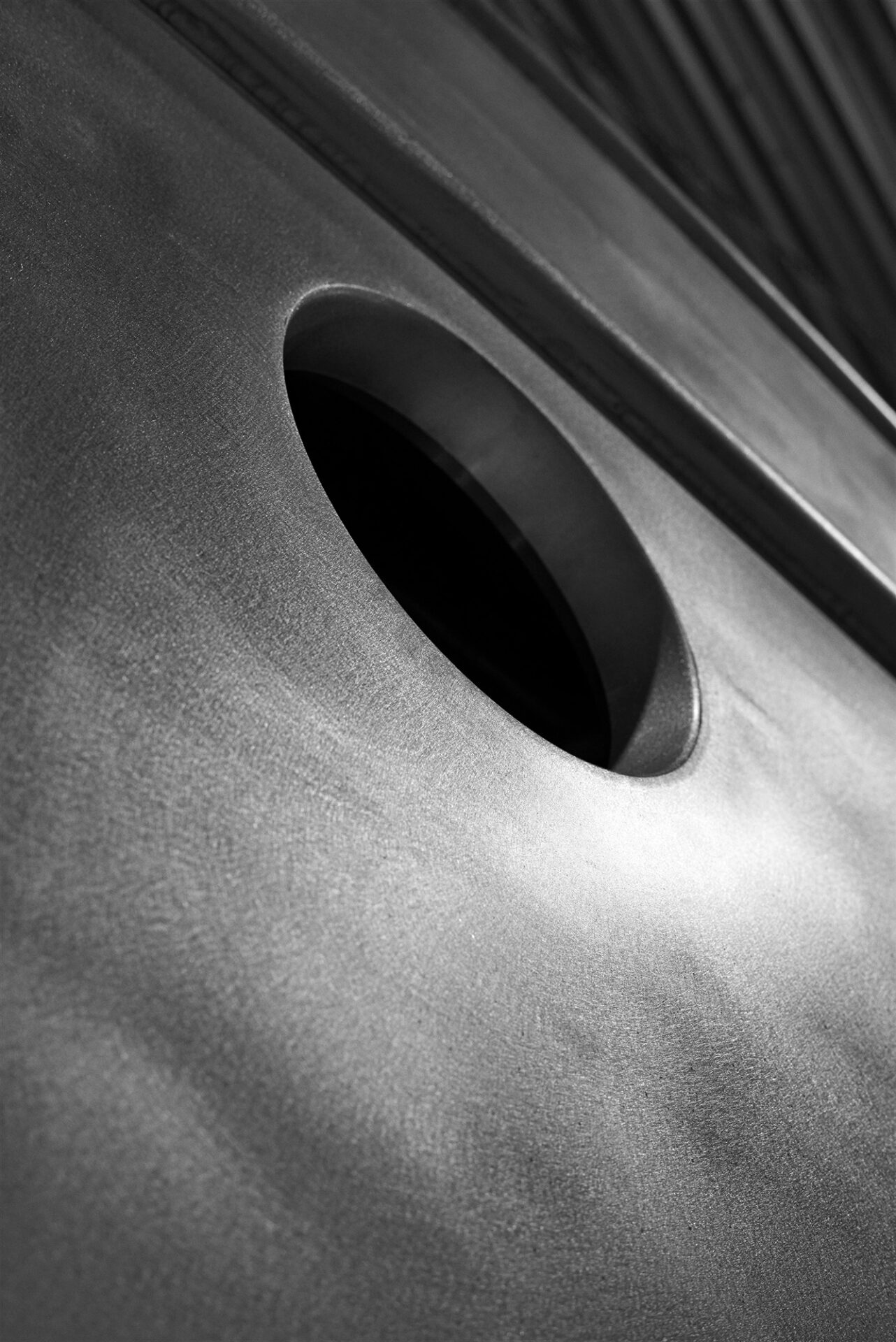
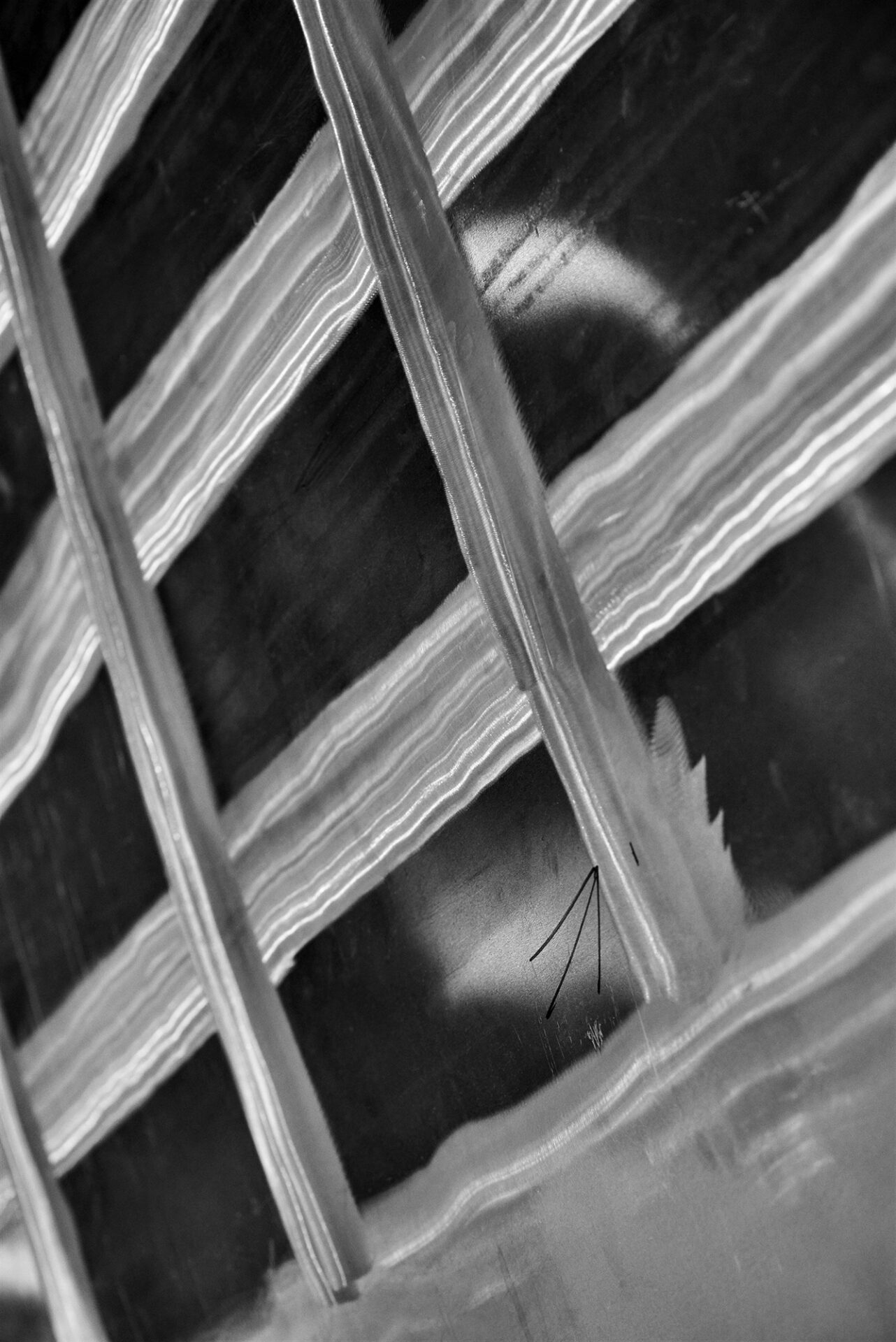
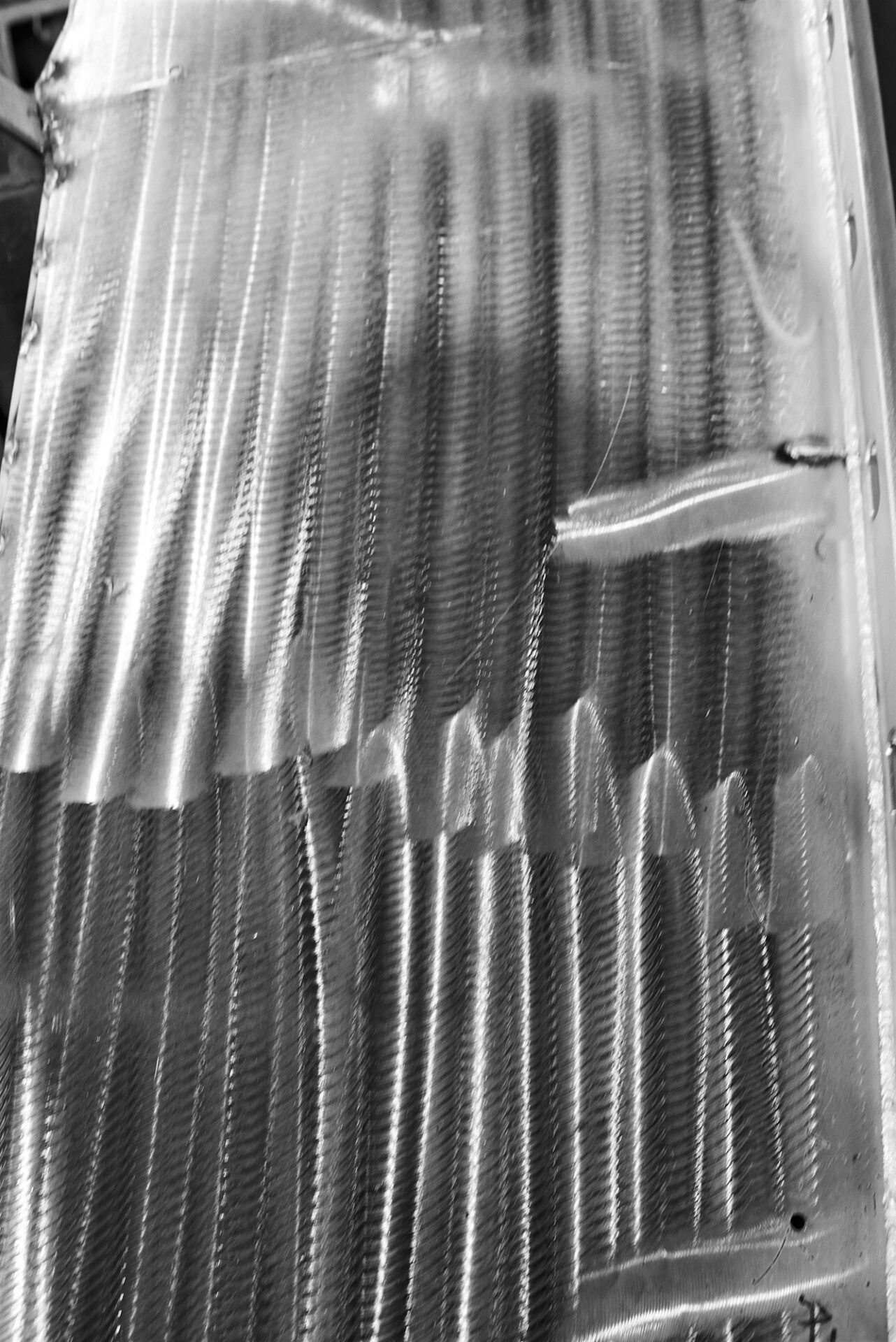
Aluminium: the foundation of sustainable and circulair yachting
By partnering with European suppliers committed to renewable energy and high recycling standards, the carbon footprint of our yachts can be drastically reduced. So we ensure every yacht is strong, seaworthy and responsibly built.
How aluminium supports sustainable yachtbuilding:
Durable and lightweight, reducing maintenance and extending service life.
Corrosion-resistant, minimizing the need for protective treatments.
Fully recyclable, with locally sourced recycled aluminium reducing the carbon footprint by up to 95% per kilo.
Where possible, we source aluminium with a high recycled content from European suppliers to further reduce the carbon footprint per kilogram of material.
We believe in being transparent. At present, the average recycled content in marine-grade aluminium is approximately 70–80%. Not all plate thicknesses are yet consistently available with high recycled content.
The market is developing rapidly. Some suppliers have already produced successful batches containing up to 92% recycled aluminium, without any compromise in strength, durability, or certification standards. We expect higher recycled content to become the new standard as availability increases.
There is no difference in quality, only a difference in impact.
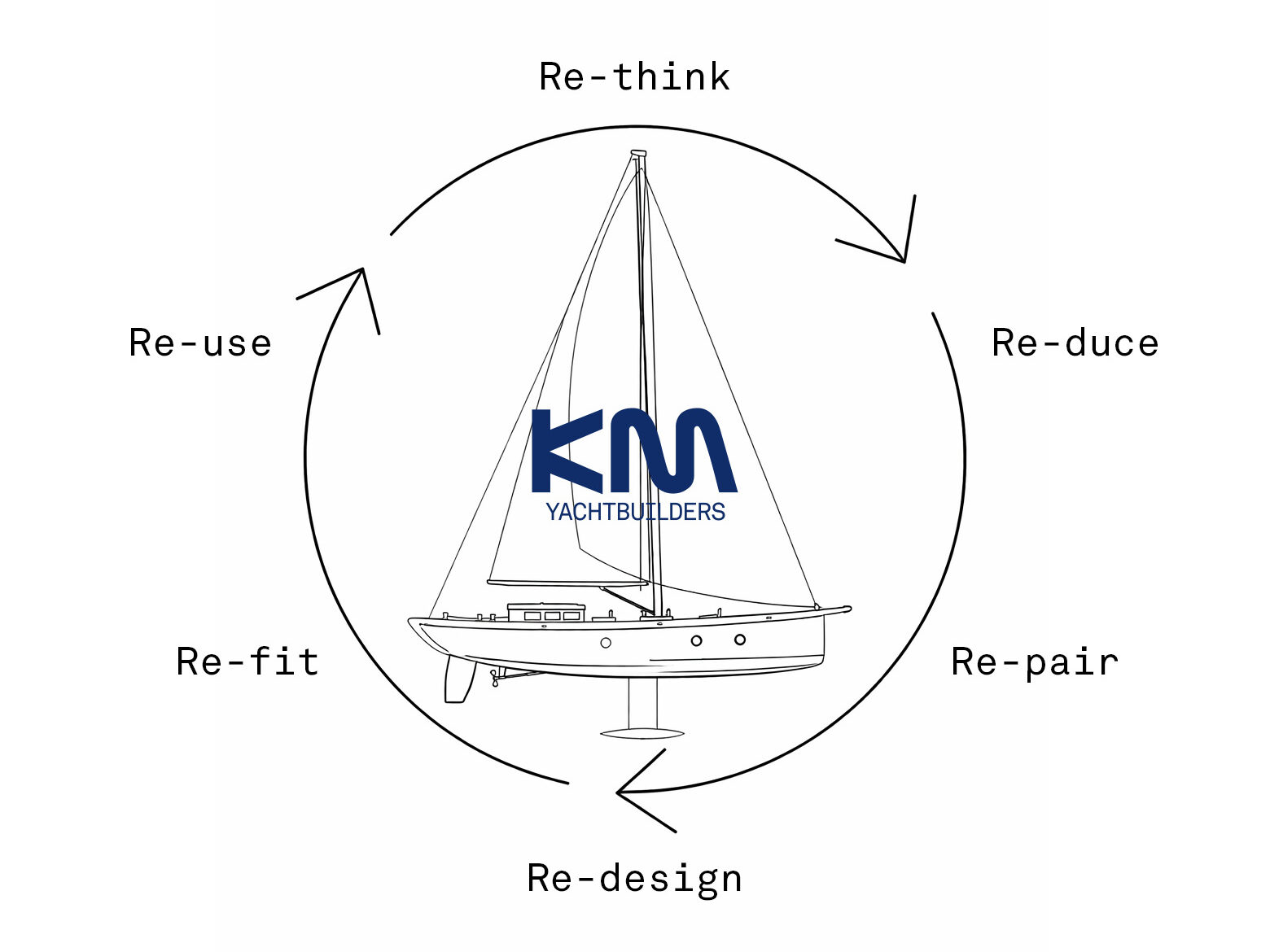
End of life, closing the circle
Many of our clients return to us for maintenance and refits. This not only ensures the highest quality standards, but also gives us the opportunity to manage materials responsibly when parts are renewed.
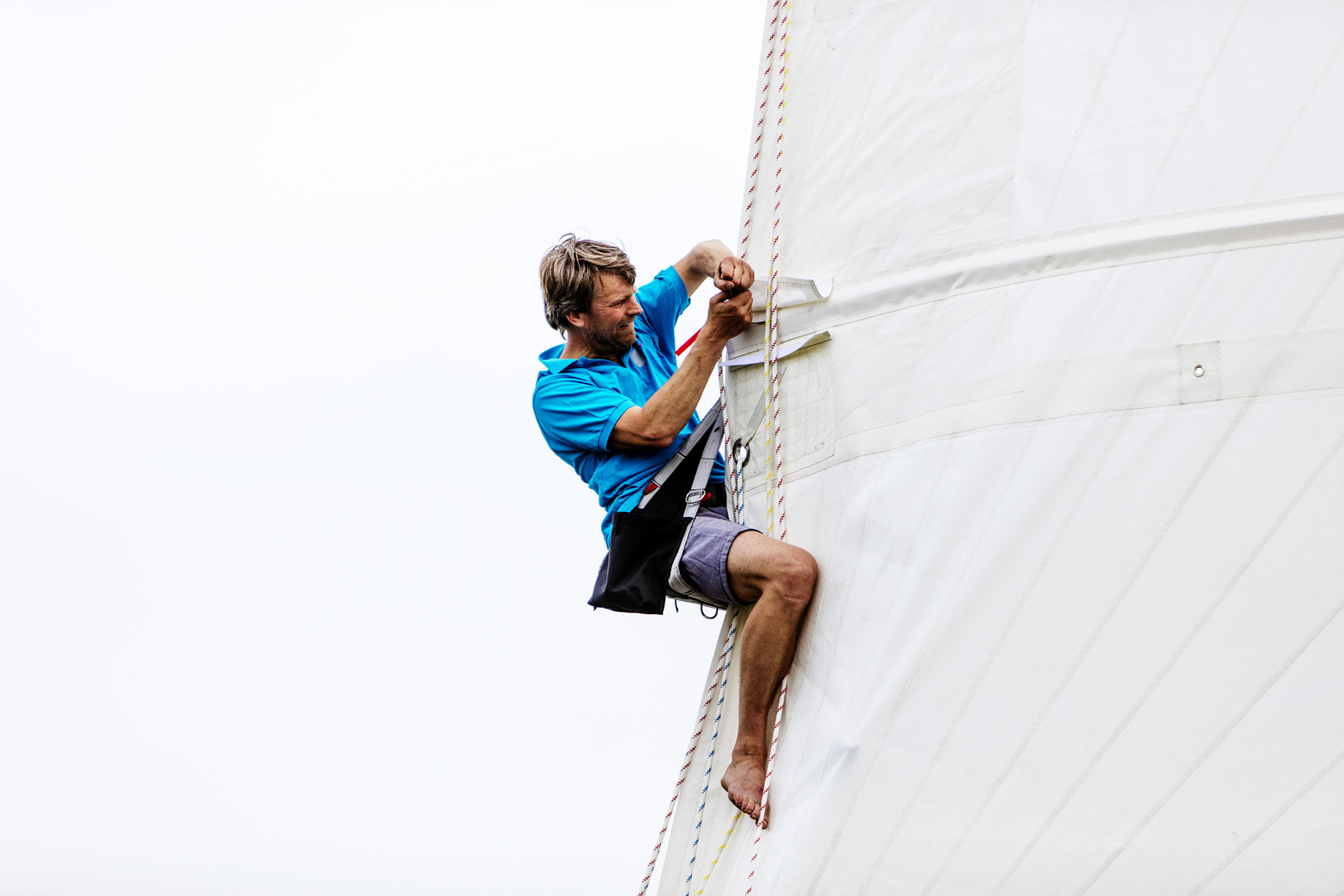
Circular thinking is embedded in the way we build. Components that are replaced are carefully assessed for reuse or recycling. Technical equipment is sent to refurbishment partners whenever possible. Sails are repurposed and given a second life — transformed into sunscreens, bags, or other functional products — or fully recycled at fabric level when reuse is no longer viable.
And although it may take 50 years or more, every yacht will eventually reach the end of its service life. At that point, the circle truly closes. Aluminium can be recycled indefinitely without loss of quality. The material that once carried explorers across oceans can become the foundation for new projects and new adventures.
Leaving a lighter footprint
Every custom yacht represents a chance to integrate cutting-edge green technologies and practices, such as:
- Recycled aluminum (up to 70% and higher) for the hull and masts, sourced from European suppliers focused on sustainability.
- Unpainted hulls with bead-blasted anti-slip surfaces, eliminating harmful chemicals and reducing maintenance needs.
- Electric or hybrid drive systems running on renewable fuel with advanced regeneration technology for greater energy efficiency.
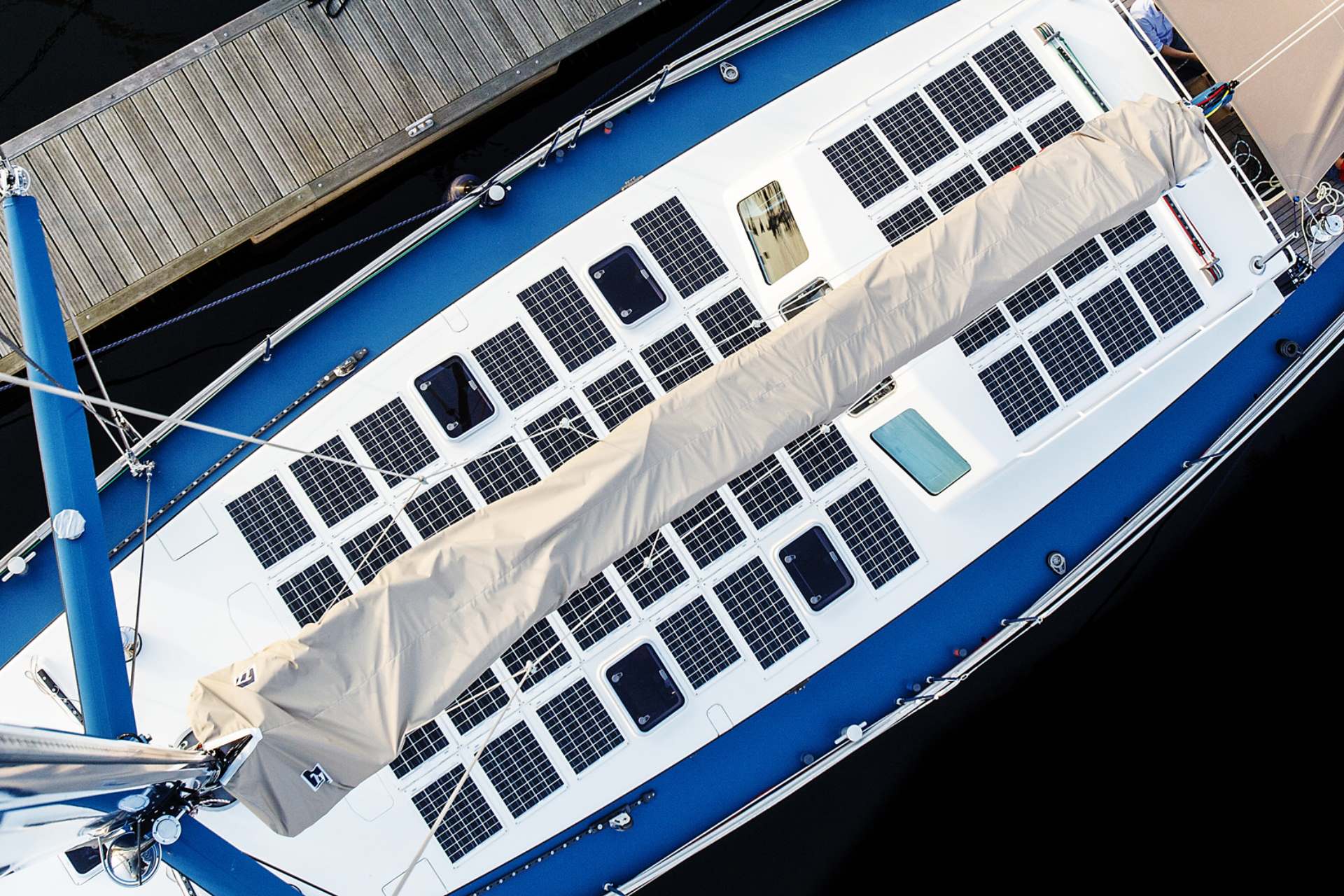
- Integrated solar systems to harness renewable energy during your voyages.
- Eco-friendly insulation, utilizing sprayed cork and mineral wool as a sustainable alternative to traditional foam.
- Recycled PET sails and rigging, reducing plastic waste while maintaining top-tier performance.
- Sustainable antifouling solutions, designed to protect the hull without releasing toxins into the marine environment.
- Thermally modified European wood as a substitute for tropical hardwood, offering an eco-conscious choice for decks and interiors.
- Natural or recycled interior materials like wood, upholstery fabrics and mattress foam options locally sourced for minimal environmental impact.
Award-winning, Sustainably built
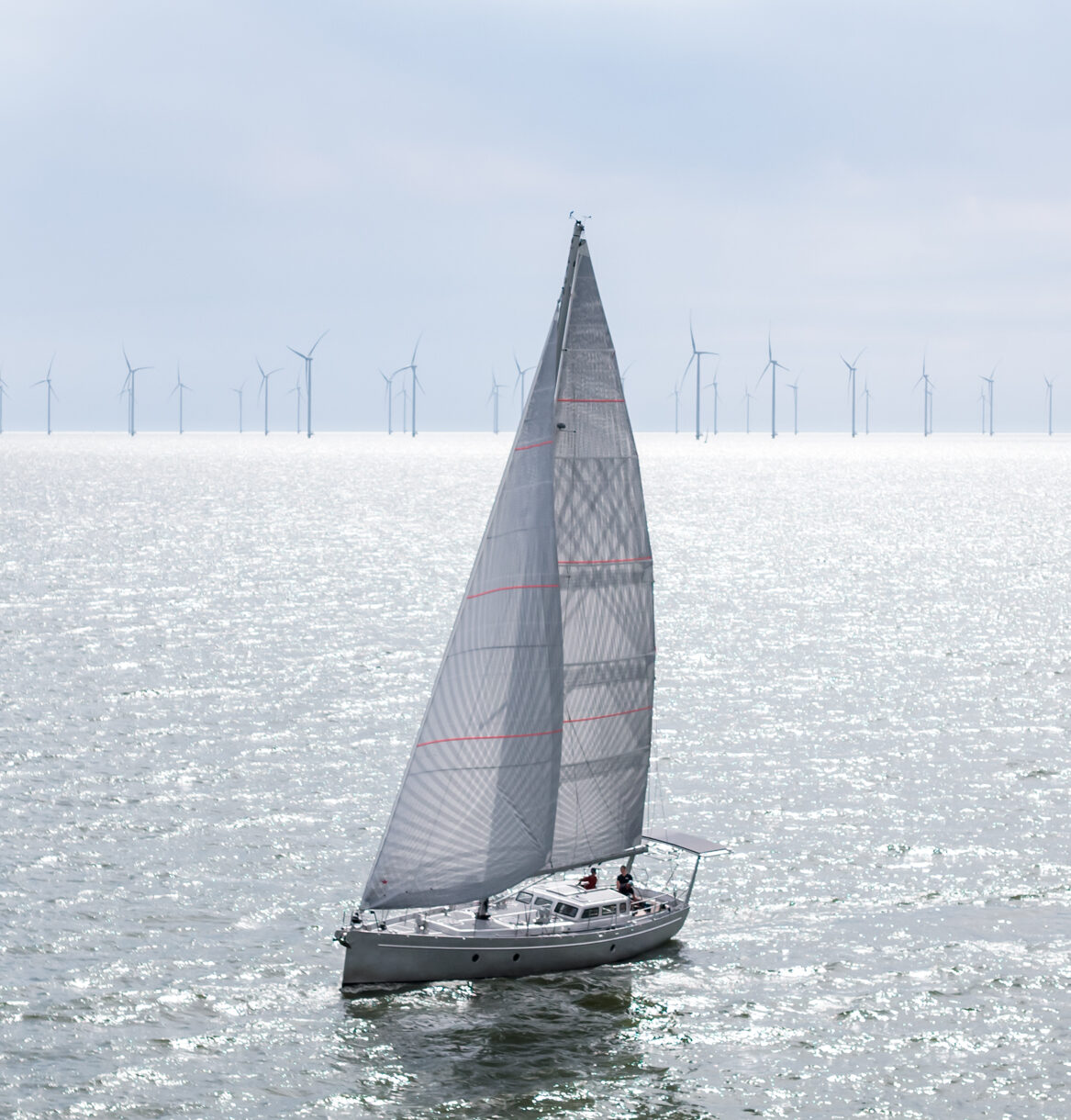
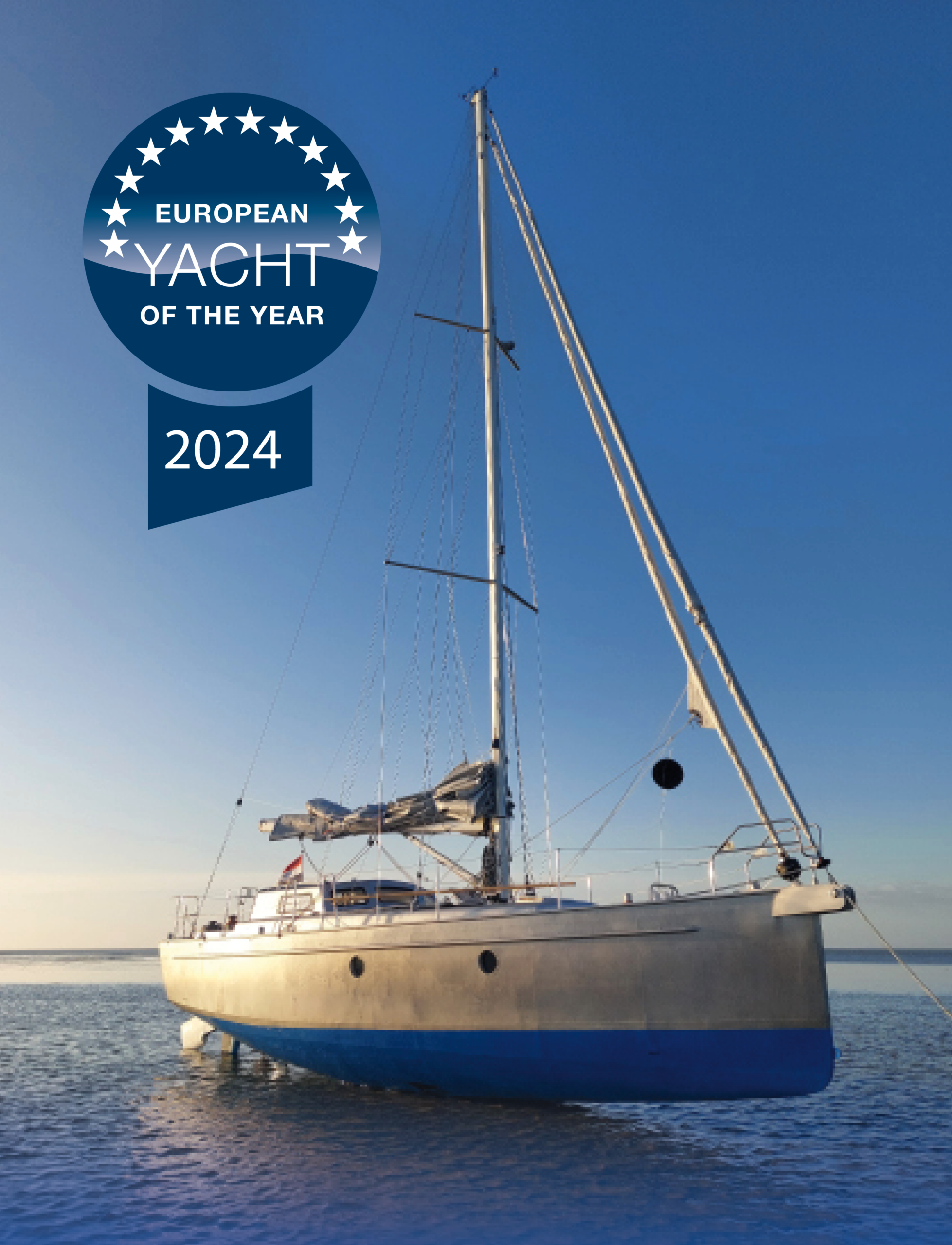
The Bestevaer 36 S/Y, winner of the European Yacht of the Year 2024, received special recognition for Sustainability — a meaningful acknowledgment of our commitment to responsible yacht building.
For this model, we conducted a comprehensive Life Cycle Analysis (LCA) to gain deeper insight into the environmental impact of material choices, construction methods, and design decisions. The analysis helped us identify where real improvements can be made and where priorities should lie.
These learnings, combined with more than 25 years of experience in building aluminium sailing yachts, strengthen our ability to deliver yachts that are not only high-performing and durable, but increasingly sustainable by design.
Sustainability is not a feature, it is an ongoing process of refinement.
Green Production facility’s
We speak extensively about the life cycle of our yachts — and rightly so. That remains our priority.
However, this does not exempt us from critically evaluating where and how our yachts are built, and what impact that has on the environment.
Although the production facility and energy use account for a relatively small share of a yacht’s total footprint (approximately 2–5%), building and refitting 15 to 20 yachts per year makes this impact significant enough to address with care and commitment.
Energy management
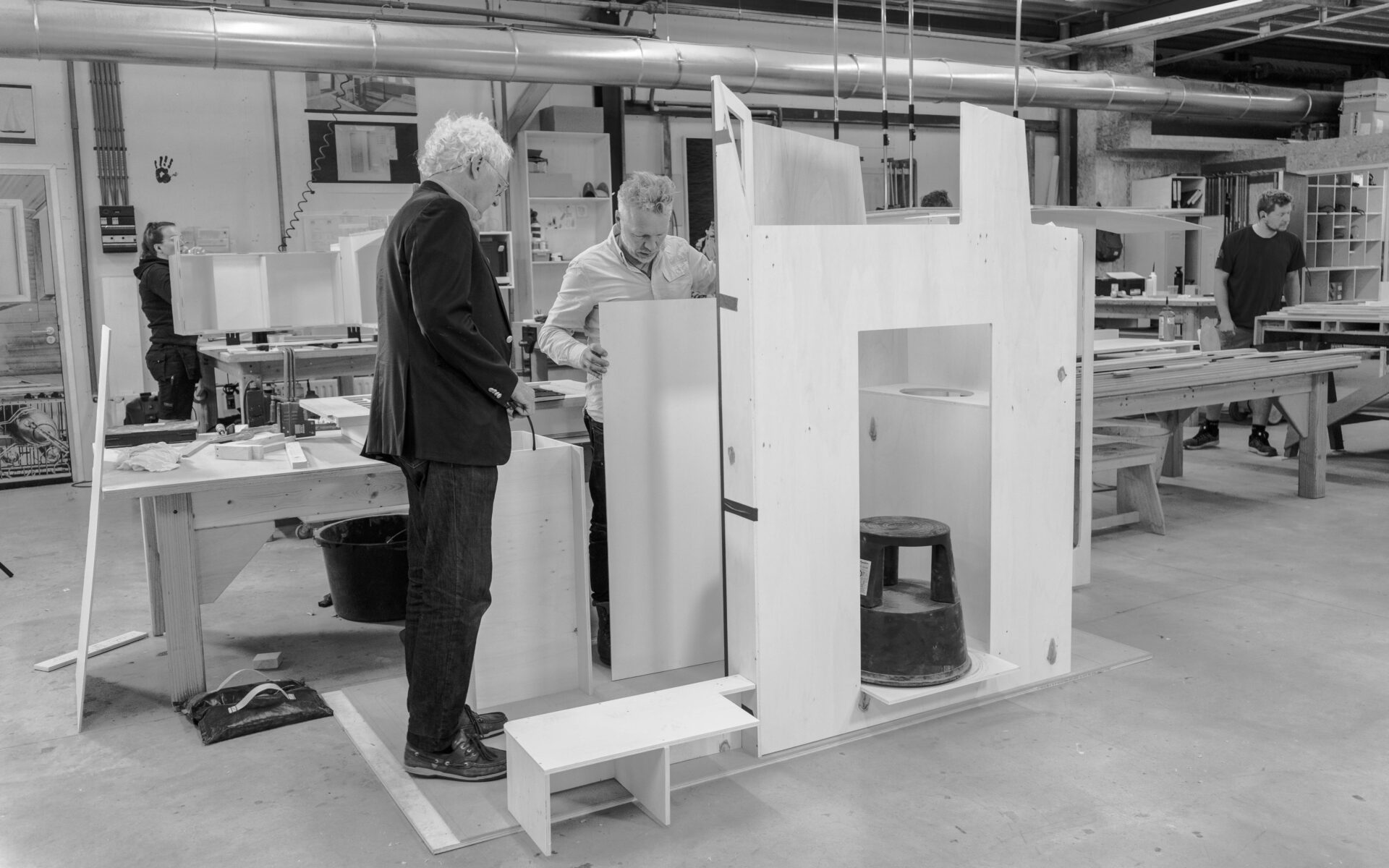
Because most of our work is carried out in-house, our production line is highly efficient and tightly managed.
Over the past five years, we have implemented targeted measures to reduce energy consumption, including:
- Replacing the majority of lighting with LED systems
- Improving roof insulation
- Installing solar panels that now generate approximately 30% of our energy consumption
- Net electricity is covered by a renewable energy contract based on 100% wind energy.
Waste management
Clear waste separation systems and strict recycling protocols have reduced mixed waste streams by approximately 60%.
We continue to test and evaluate new improvements. As ambitious as we are in reducing the environmental impact of our yachts, we remain equally committed to improving the sustainability of our production processes.
